

The world is changing, and the rate of change is likely to accelerate. There is growing consensus that we need to alter the way we live to safeguard the future for people and the planet. As a result, there is an increasing need for businesses to adopt more sustainable models and practices.
The pandemic has brought into focus a range of issues that we need to address to become more sustainable. The level of social inequality has been highlighted by the disproportionate health, economic and social impacts experienced by disadvantaged communities, and the environmental effects of our way of life have never been more clearly demonstrated than by the decrease in greenhouse gas (GHG) emissions during lockdown. Most of all the pandemic has highlighted the importance of having a resilient economy that is able to cope with whatever the future brings. The potential adverse effects on health and well-being from the reduction in economic activity are significant. However, the environmental, social and economic impacts associated with climate change are even more concerning.
It is widely accepted that climate change is already affecting people, the environment and the economy, and impacts are forecast to increase. The direct and indirect costs of climate-related events are already considerable and failing to limit and mitigate the economic impact of climate change presents a huge risk, not just to those directly affected but also to investors, insurers and others in the finance sector.

The finance sector has started to recognise these risks through the adoption of Environmental, Social and Governance (ESG) investments, which are becoming an increasingly important part of many investment portfolios, often outperforming other parts of the market. At the same time consumers and the younger generations are becoming increasingly aware of the environmental footprint of products and services and the need to reduce our impact. This awareness is yet to fully translate into a willingness to pay for more sustainable products, and price-conscious consumers may simply demand more sustainable products and services at the same cost.
The focus on achieving Net Zero and the transition to a greener economy is likely to create a range of opportunities for business. We may be about to experience an unprecedented global stimulus package as Governments around the world attempt to lessen the effects of a post-pandemic recession and there is growing pressure from business leaders and a wide variety of other stakeholders to ensure that this is used to promote a green recovery and that we build back better.
Financing a green recovery is likely to require businesses to meet certain conditions that will favour those with more sustainable practices. This would provide a platform for growth for companies that are able to adopt the right approaches in order to realise the opportunities that are presented to them.
A green recovery and achieving Net Zero will increase the pressure on businesses to improve their sustainability performance. Large multi-national organisations may be subject to direct pressures through regulation, or conditions on green financing, whereas smaller companies may be subject to indirect pressure as they are required to demonstrate that they contribute towards their stakeholders’ sustainability metrics. The silver lining for the directors of these companies is that by adopting more sustainable practices they will be able to not only capitalize on current opportunities presented by the move to a greener economy, but they will also be fulfilling their fiduciary duty to act in the interest of the business by reducing future risk and building longer term value.
The idea of sustainability is not a new one. Although the United Nations Sustainable Development Goals (SDGs) were only published in 2015, the concept of sustainable development was introduced nearly 30 years ago. The sustainability landscape is evolving rapidly as its importance is realised by investors, consumers and management teams. Changes are occurring on an almost daily basis with new sustainability metrics and outcome reporting tools continually being developed and refined.
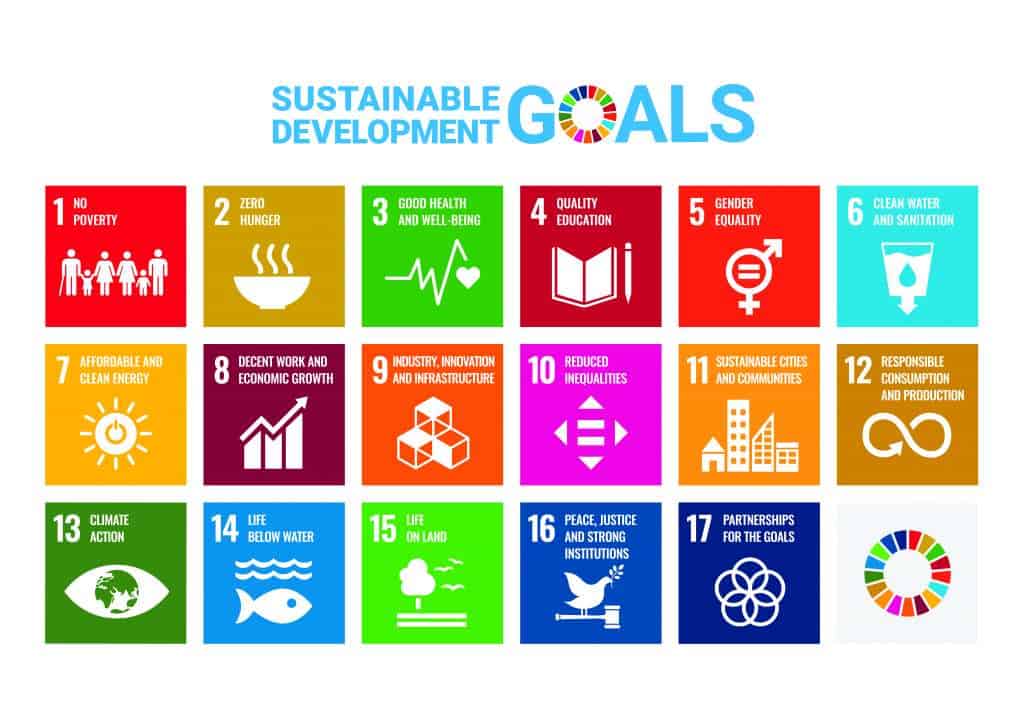
There are a variety of sustainability related schemes, tools and standards, aimed at wide range of stakeholder audiences, with corresponding differences in approach and metrics. There are effectively two broad groups of sustainability initiatives:
A summary of some of the more commonly encountered initiatives is provided below.
| initiative | scope | type | use | audience | find out more |
|---|---|---|---|---|---|
| B-Corp | Sustainability | Framework/ benchmark | Outcome based | General stakeholders | https://bcorporation.net/ |
| CISL 10 year plan | Sustainability | Framework | Outcome based | General stakeholders | https://www.cisl.cam.ac.uk/about/rewiring-the-economy |
| Climate Disclosure Standards Board (CDSB) | Climate change | Framework | ESG/corporate disclosure | Investors | https://www.cdsb.net/ |
| Future Fit | Sustainability | Framework/ benchmark | Outcome based | General stakeholders | https://futurefitbusiness.org/ |
| Global Reporting Initiative (GRI) | Sustainability | Standard | ESG/corporate disclosure | General stakeholders | https://www.globalreporting.org |
| Net Positive | Sustainability | Standard | Outcome based | General stakeholders | https://www.netpositiveproject.org/ |
| SAM Corporate Sustainability Assessment | Sustainability | Assessment/ benchmark | ESG/corporate disclosure | Investors | https://www.spglobal.com/esg/csa/ |
| SDG compass | Sustainability | Framework | Outcome based | General stakeholders | https://sdgcompass.org/ |
| Sustainability Accounting Standards Board (SASB) | Sustainability | Standard | ESG/corporate disclosure | Investors | https://www.sasb.org |
| Taskforce on Climate Related Disclosures (TCFD) | Climate change | Framework | ESG/corporate disclosure | Investors | https://www.fsb-tcfd.org/ |
| World Benchmarking Alliance | Sustainability | Assessment/ benchmark | Outcome based | Investors and stakeholders | https://www.worldbenchmarkingalliance.org/ |
With such a wide array of schemes available it can be difficult for a business to know which approach they should adopt to meet their objectives. To determine the most suitable approach and sustainability strategy for any company it useful to follow a structured process. There are a number of factors to consider when developing an appropriate strategy including: past, current and future business operations, risks and opportunities, competitor benchmarks and most importantly stakeholder expectations.
With the pressure to adopt more sustainable business models and practices only likely to increase, it is important for businesses to take the time to review their sustainability strategies and ensure that they are optimised to protect their long term future and make the most of the transition to a greener economy. Envance is an independent environmental and sustainability Management Consultancy and can help find the right approach to develop or refine sustainability strategies and facilitate any necessary processes and reporting mechanisms to help businesses succeed now and create a better a future.