
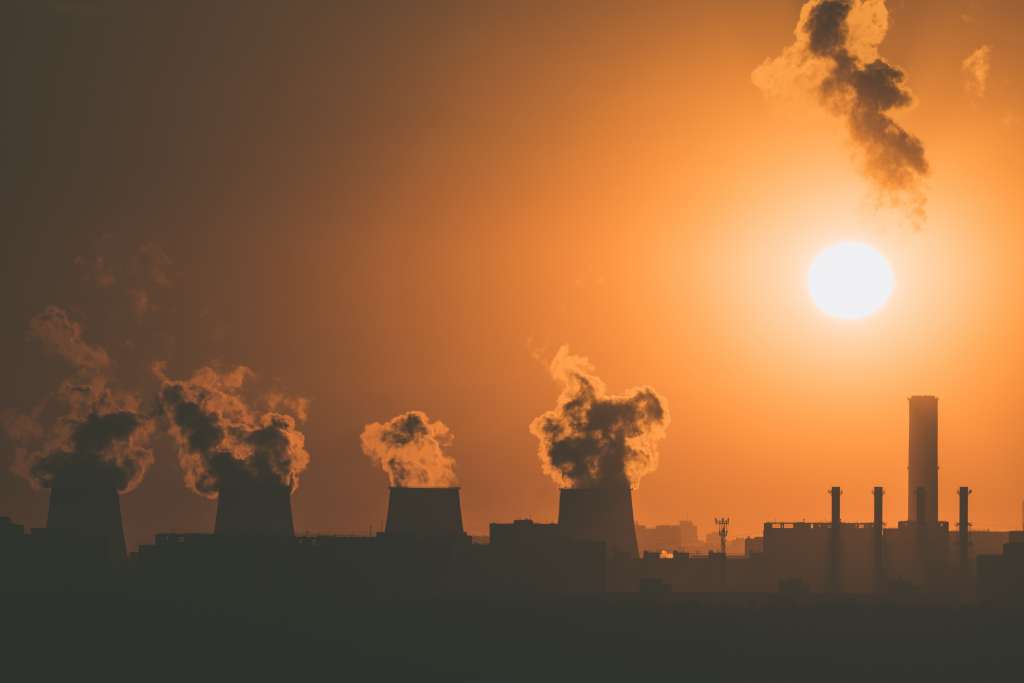
The World Meteorological Organization, an intergovernmental organization with a membership of 193 Member States and Territories, has predicted that the annual mean global temperature is likely to be at least 1° C above pre-industrial levels in each of the coming five years, and it also believes that there is a 20% chance that it will exceed 1.5°C in at least one of these years.
This forecast contrasts with the Intergovernmental Panel on Climate Change (IPCC), who in their "1.5 Special Report" suggested that global warming was not likely to reach 1.5°C until between 2030 and 2052, if it continued to increase at the current rate. As the IPCC noted that the scale of future climate-related risks was dependant on the rate, peak and duration of warming, it is alarming that the WMO is predicting that we may reach this level much earlier than suggested by the IPCC, potentially leading to many years of climate overshoot.
The risks posed by climate change are predicted to be greater if we exceed 1.5°C before bringing temperatures back down to 1.5°C by 2100, than they would be if warming was stabilized at 1.5°C without overshooting. The latest prediction, like many other climate models, suggests that the former scenario may be more likely, and that we may “overshoot” 1.5°C and have to put in place measures to bring global temperatures back down to an acceptable level. This is cause for concern as even at current rates of warming the effects of climate change are already having a very significant impact on people, the environment and the economy. For example the IMF has estimated that the direct costs of climate related events over the last decade came to around US$ 1.3 trillion (or around 0.2% of world GDP on average, or £100bn per year).
If the WMO predictions are accurate, current forecasts on the potential future cost of climate change to the global economy are likely to require revising upwards. Indeed, the potential economic effects are so worrying that in 2020 the World Economic Forum highlighted climate change as the single biggest risk to economy and society.
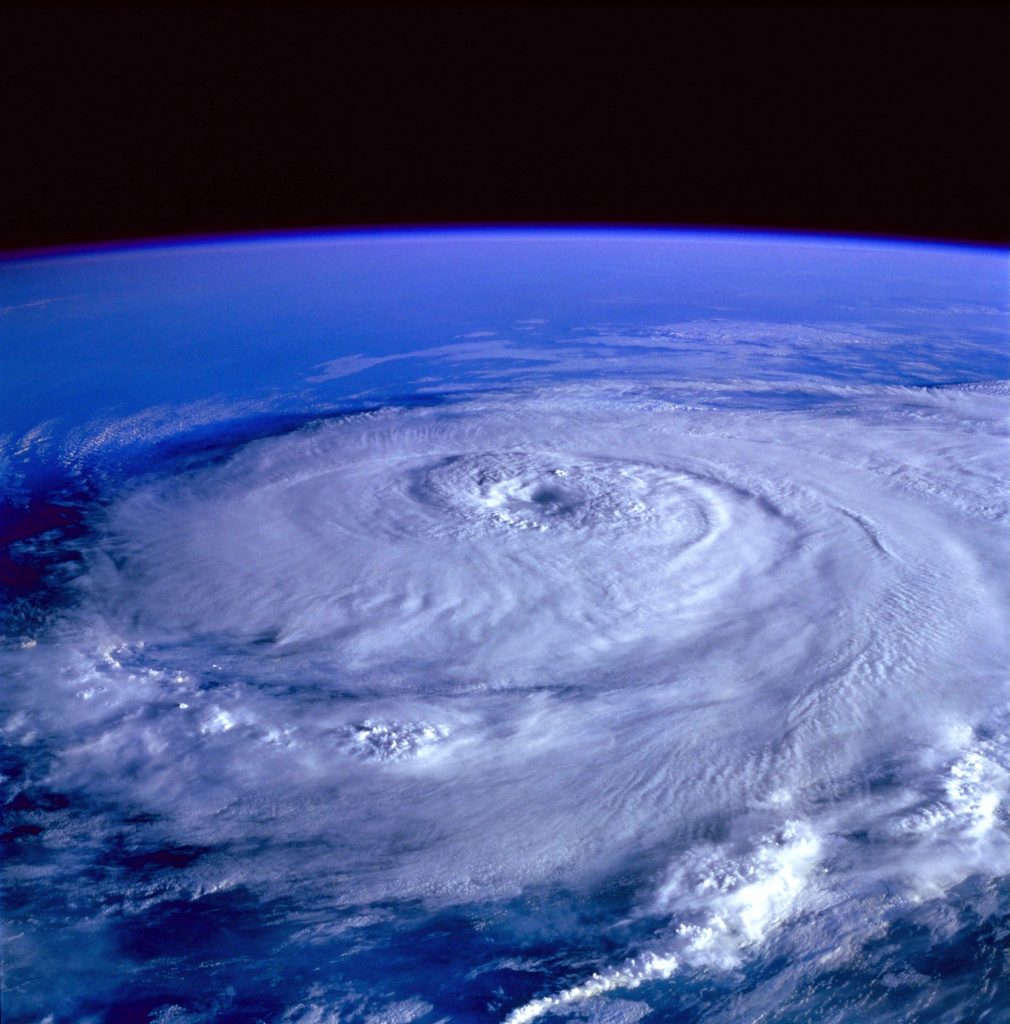
So what could we expect? The IPCC has assessed that the level of risk of extreme weather events occurring rises from moderate to high as temperature increases from 1.0°C to 1.5°C, meaning that the frequency and magnitude of such events is likely to increase over the next five years. This will have a direct effect upon people, businesses, communities and economies.
We may also see evidence of a direct effect upon people and ecosystems. In the same report, the IPCC also suggested that an increase of just 0.5°C had the potential to adversely human health, and that an increase to 1.5°C above pre-industrial levels may result in the loss of coral reefs and kelp forests, as well as affecting food availability, due to impacts upon fisheries and agriculture.
We have the opportunity to change this projection and avoid or comeback from a possible overshoot more quickly, however, in order to do so we need to act now, by reducing emissions, ensuring that we adapt and build in climate resilience and that we accelerate the development and roll out of carbon capture and storage systems.
The WMO predictions should be seen as a call to action. Businesses, governments and society must work together to ensure that as we move forward out of the pandemic we also address the challenges of reducing global warming. As a society we must ensure that economic recovery does not result in long term, large scale impacts and that we make the changes needed to secure a sustainable future and meet the Paris Climate Agreement long term goals.
If you are struggling to understand how you or your business can play a part please contact us and we can help you find the way.