
by Richard Sands, Director of Ecology, Envance
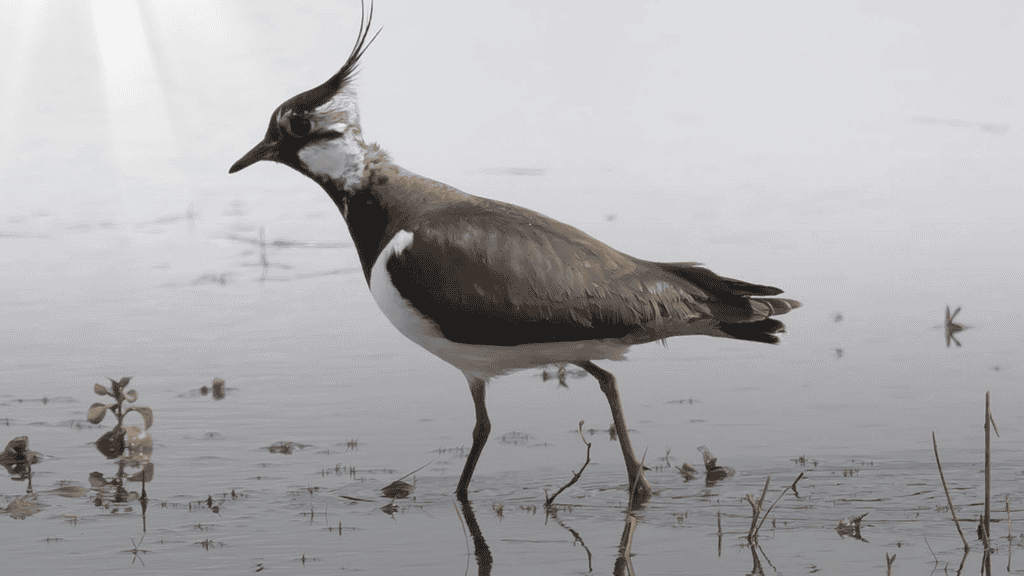
Every winter, fields, wetlands and shorelines across the UK fill with birds that were somewhere else entirely months earlier. Wigeon and pink-footed geese arrive from Iceland and the Arctic. Fieldfare and redwing move in from Scandinavia. Golden plover and curlew shift from breeding uplands to lowland farmland, sometimes in flocks numbering in the thousands. Much of this happens well outside the boundary of any protected site, which is why it's so often missed by the people whose land it depends on.
The constraint with no fence around it
Special Protection Areas (SPAs) safeguard the core sites certain bird species depend on. However, the land supporting those birds day-to-day often sits outside the SPA boundary entirely: ordinary farmland, grassland or marsh with no signage or designation, and nothing to suggest it carries any weight. Where birds use that land regularly, to feed, roost or move between sites, it can be treated as Functionally Linked Land (FLL). It isn't protected in its own right, but its loss can undermine the designated site it supports, so it must be considered under the Habitats Regulations too.
Golden plover and curlew, for example, may nest within an SPA but forage on farmland well beyond it. Pink-footed geese will travel miles to a specific field offering good forage. Crucially, a single sighting doesn't establish that link. FLL is defined by repeated, predictable use tied to a time of year, not a bird landing somewhere once.
Building the evidence
Demonstrating that kind of use is what wintering bird surveys are built to do. Ecologists walk predetermined transects through representative habitat, recording every bird seen or heard using standard British Trust for Ornithology species codes. Visits are usually monthly, run at minimum between November and February, sometimes extending into September, October and March to capture passage movements around the core winter period. On larger sites, vantage point watches track flight lines, and estuarine sites often add roost counts and low-tide surveys, since wader and wildfowl activity follows the tide rather than the clock. Together, this is the evidence statutory advisers expect before FLL can be confirmed or ruled out.
Why the timing can't bend
The core survey window is short, effectively four months at its narrowest, and cannot be moved to suit a construction schedule. A site needing monthly visits from November to February needs exactly that, not four visits crammed into six weeks. Miss the window, and there is often no shortcut. The birds that matter simply may not present to record again until the following winter, taking a full year off a project's evidence base and the sequence that depends on it.
Small changes count too
This isn't only a concern for large-scale development. A new access track, a change in cropping or grazing, or small parcelled development at a field's edge can just as easily erode land a bird population depends on.
Get ahead early
For landowners, farmers and clients in construction, infrastructure, rail and water, this makes survey timing a true early-stage decision, not something scheduled once other plans are already under discussion. A boundary or design finalised without this evidence risks discovering a constraint once it's already committed, when the options for accommodating it are far more limited and expensive than at the outset.
Be sure, not sorry
Many stretches of farmland, waterway or grassland near an SPA support nothing of particular concern, and a proportionate survey, run in the right months, establishes that quickly. Given how easily FLL goes unnoticed simply because it carries no visible marking, finding out early is a small step that avoids a much larger one later.
Not sure if your land could be functionally linked to a protected site? Get in touch at 0161 327 1723 or enquiries@envance.com - we'll get you an effective report, on time, ready for your project to progress.