
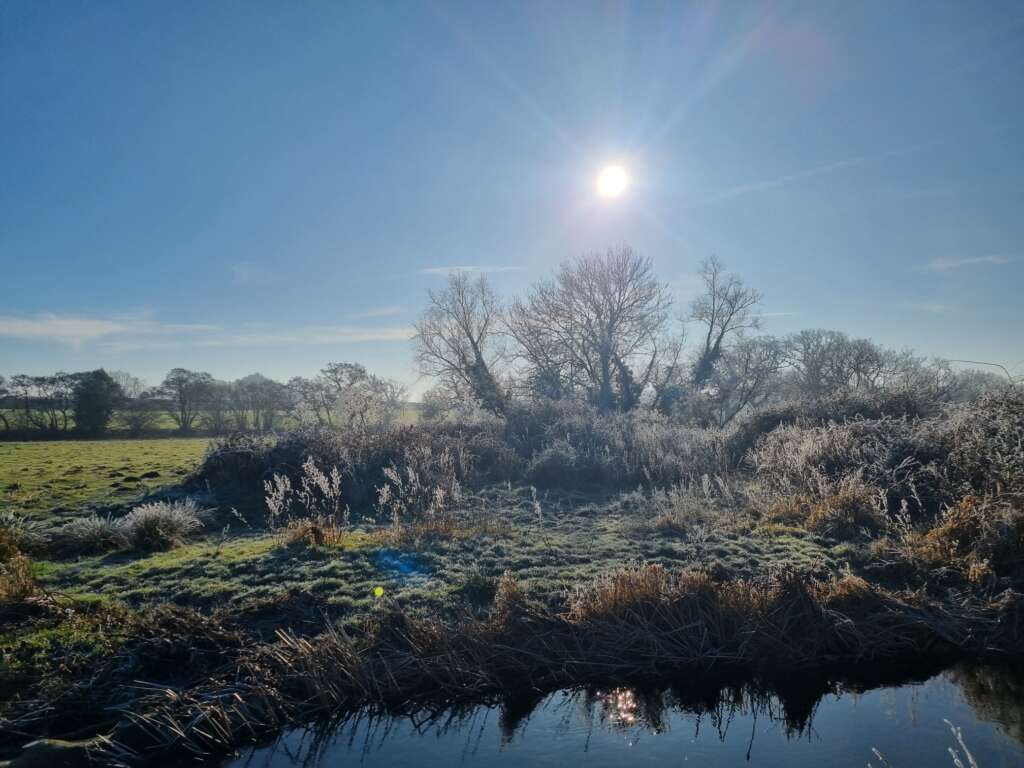
Natural Flood Management (NFM) is a nature based approached that aims to reduce the need for hard engineered flood management structures. NFM measures can help to manage flood and coastal erosion risk by protecting, restoring and emulating the natural processes of rivers and floodplains. The principle aim of NFM measures if to reduce or delay the volume of water moving downstream at anyone time, to reduce or desynchronise “flood peaks”. NFM measures typically aim to achieve one or more of the following:
The term Natural Flood Management covers a broad spectrum of projects and interventions, ranging from large habitat creation projects such as re-meandering of rivers or wetland restoration, through to installation of smaller leaky woody dams in ditches or large woody debris in river channels, through to changes in land management practices such as woodland planting, buffer strip creation, or planting of cover crops that slow the flow surface water run-off.
In addition to a potential reduction in flood risk, NFM measures can provide a wide range of other benefits including biodiversity enhancements and creation of fish spawning habitat, improvements in water quality, and increased carbon sequestration.

Between 2017 and 2021, Defra invested £15 million of government funding in the NFM pilot programme, which was made up of 60 pilots across England.
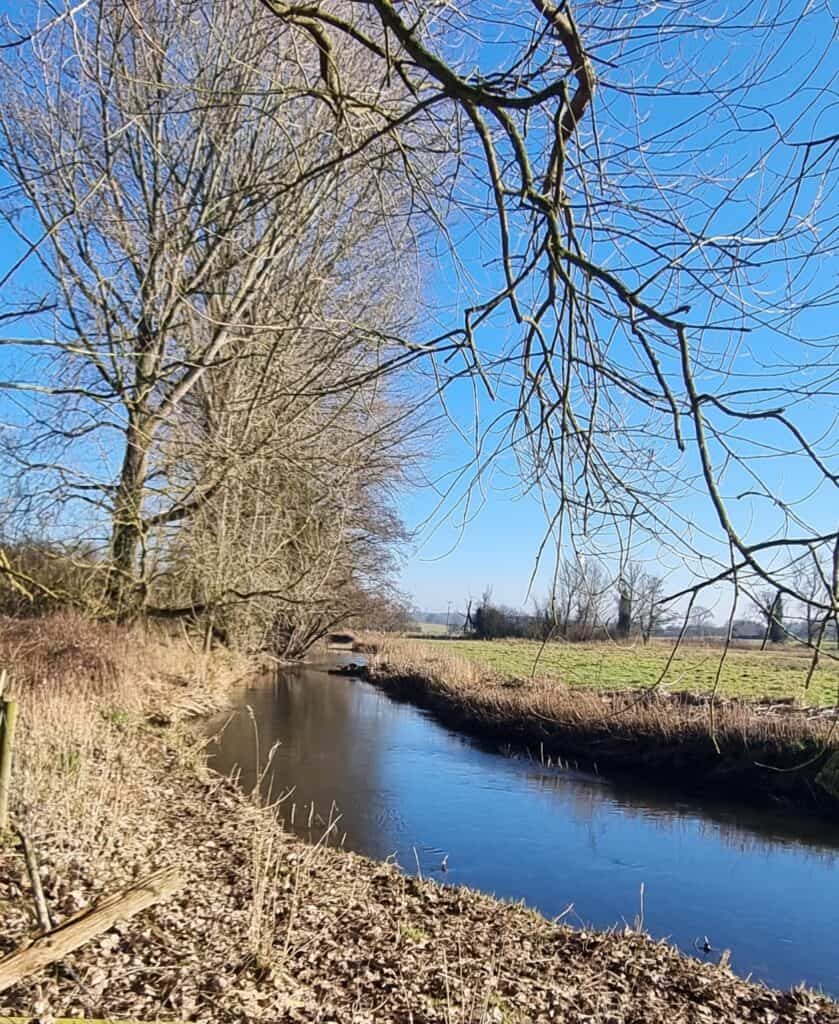
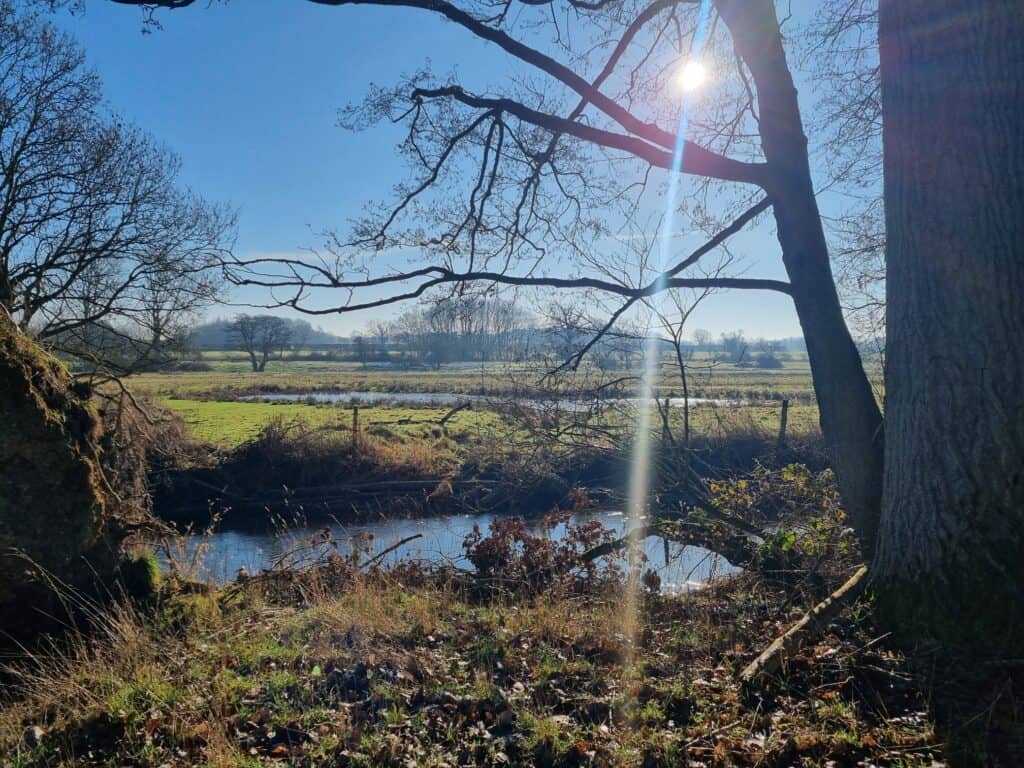
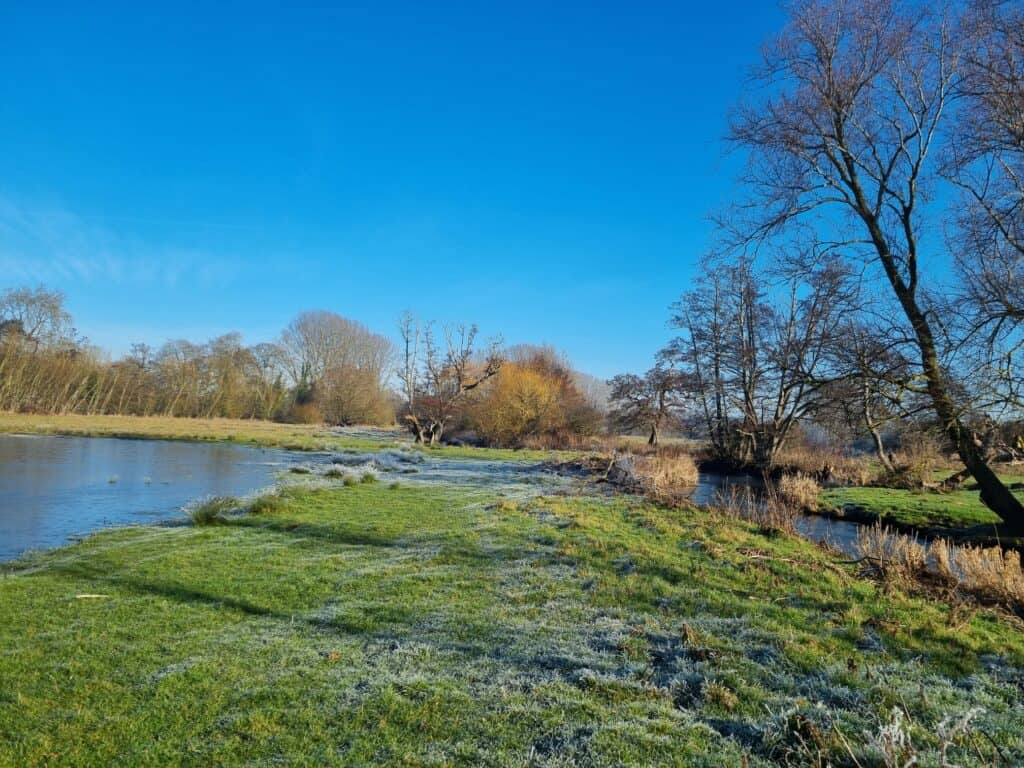
As part of our ongoing work with the Environment Agency our team recently undertook site visits at a number of the Defra funded NFM pilot projects in Norfolk. The site visits aimed to monitor how the interventions were functioning and identify how natural habitats were developing since the schemes were constructed.
The three pilot projects that we visited were:
Marlingford, River Yare:
Scheme sought to re-naturalise the river channel and reconnect with the flood plain to slow the flow and increase water storage. The measures comprised:
Buxton, Camping Beck:
The scheme aimed to create a large new storage area capable of storing additional flood water. In summary the measures involved included:
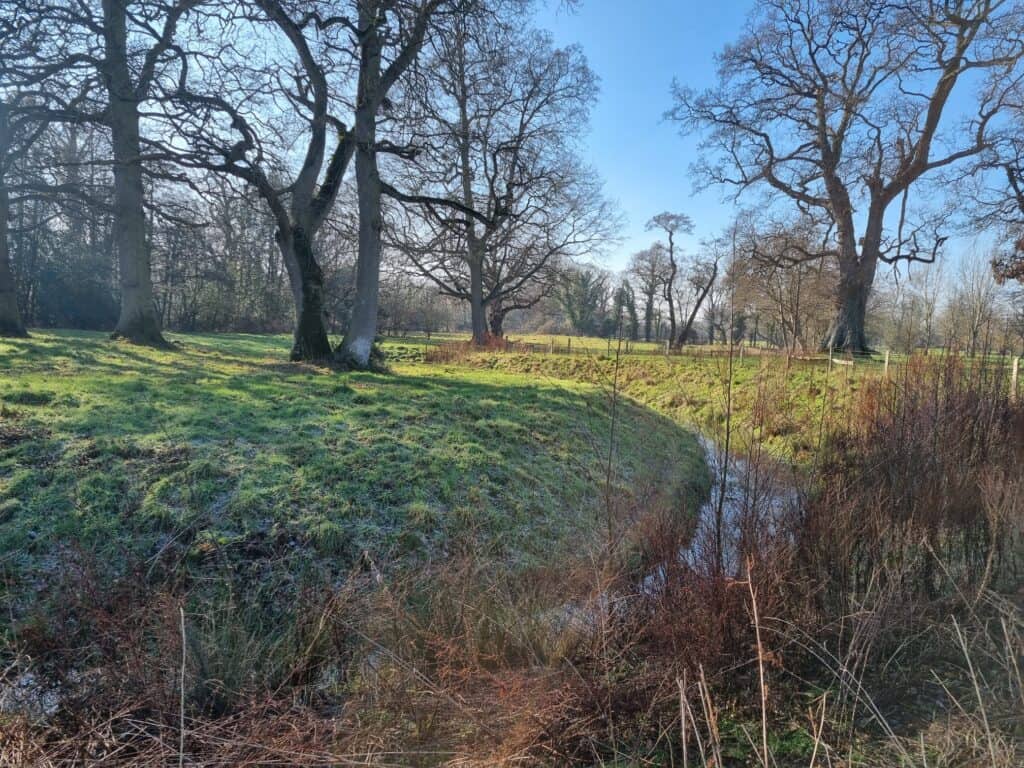
Worthing, Wendling Beck:
The scheme was part of a wider project and aimed at recreating historic meandering channels that had since been straightened. Measure implemented comprised:
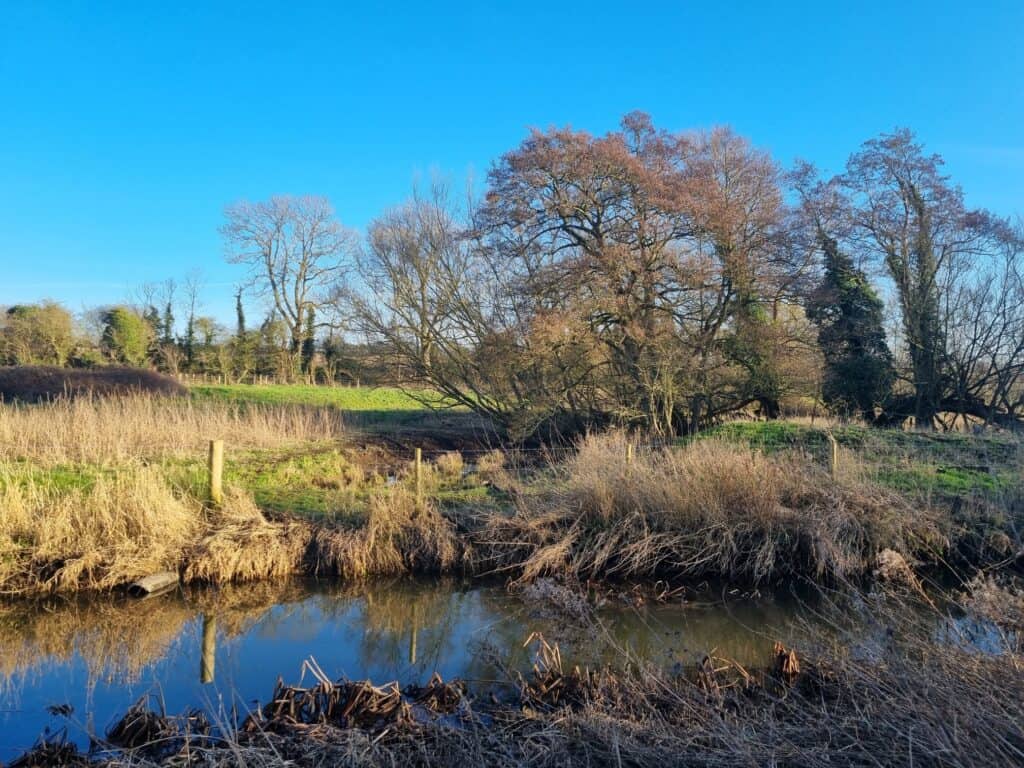
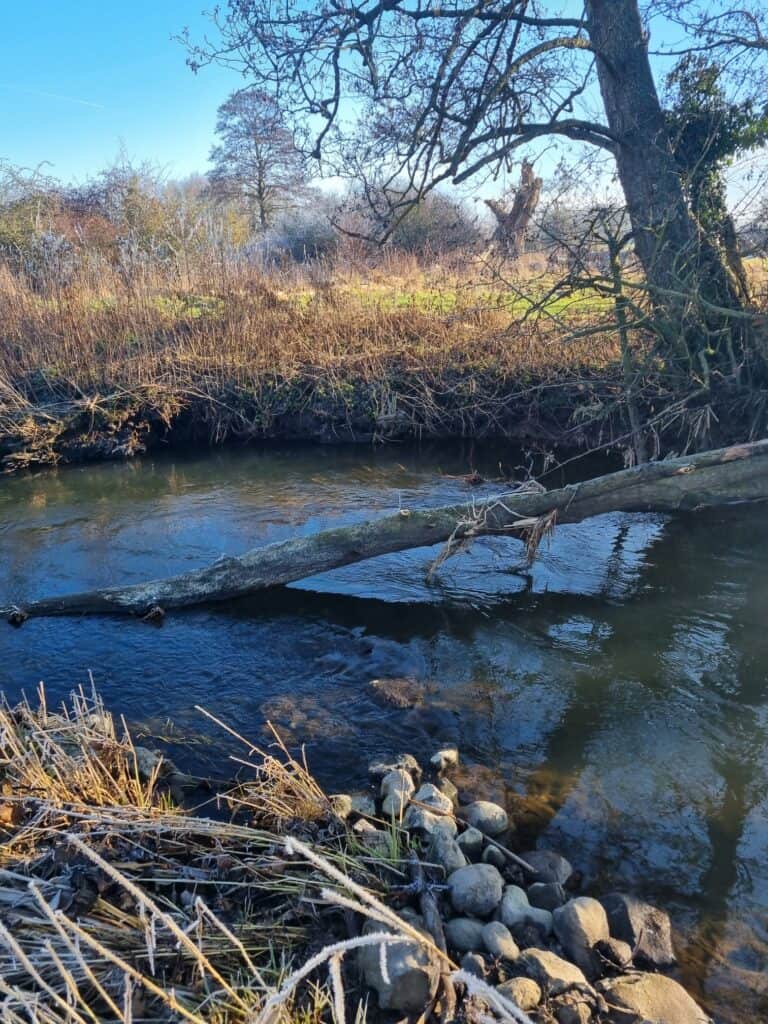
At each site a range of man made and naturally occurring features were recorded and habitat recovery was observed.
This information will be used along with updated water level and flood data to provide evidence on the effectiveness of the measures.